Life in Amsterdam
LGBTQIA+ History in Amsterdam: Homomonument, IHLIA and Key Landmarks
 Eduardo SilvaManually reviewedOctober 8, 2026
A historical route through Amsterdam's LGBTQIA+ landmarks, focusing on memory, archives, movements and social spaces.
Start readingWritten by
Eduardo Silva
Editor-in-chief · Amsterdam resident since 2026
Last updated
08 October 2026
Reading time
9 min
Category
Life in Amsterdam
Manually reviewed
A person checked this content against the sources listed in the article.
Last human check: September 2026
Quick answer
Useful landmarks for understanding Amsterdam's LGBTQIA+ history include the Homomonument at Westermarkt and IHLIA LGBTI Heritage on the 3rd floor of OBA Oosterdok. In September 2026, IHLIA's free Walk of Pride exhibition continues until October 1; always check the current agenda for temporary exhibitions.
Amsterdam has a long history connected to LGBTQIA+ movements, and understanding that history makes the city more interesting than seeing queer life only through the Pride calendar. Homomonument, IHLIA LGBTI Heritage, Café 't Mandje, COC Nederland and Pink Point represent different dimensions: remembrance, archives, social life, political organisation and community information.
This guide does not turn queer history into a checklist of attractions. The goal is to explain what each place adds to your understanding of Amsterdam, how to combine them and how to visit respectfully.
Homomonument: remembrance in public space
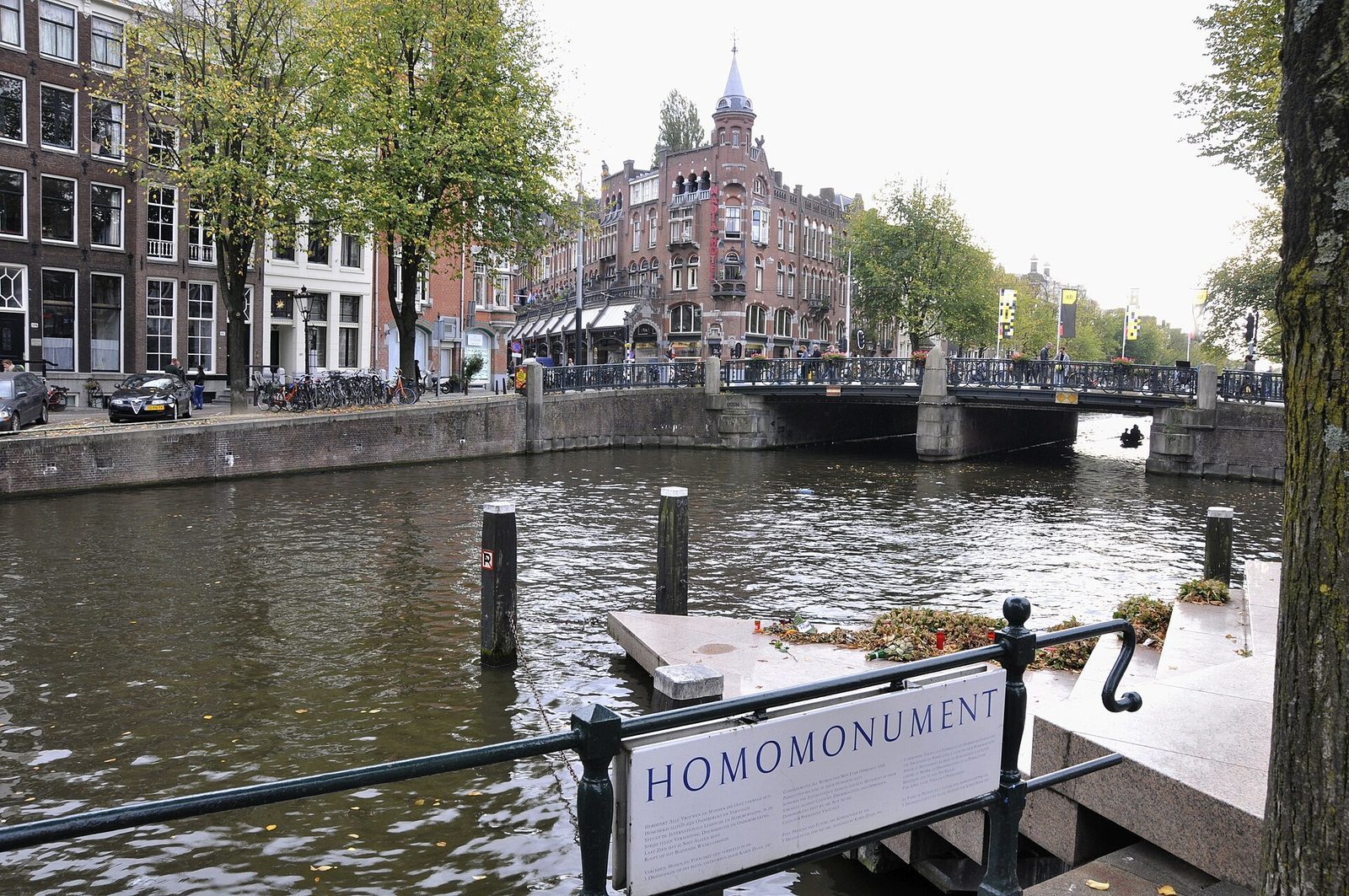
The Homomonument at Westermarkt opened in 1987 and commemorates gay men and lesbians persecuted because of their sexual orientation. The monument consists of three pink granite triangles connected symbolically across the urban space.
It is not simply a photo stop. The site is used for remembrance, protest and celebration and helps explain how LGBTQIA+ history has been incorporated into Amsterdam's public landscape.
What it adds: context about persecution, remembrance and public recognition. Its central location makes it easy to combine with a walk through the Jordaan and canal belt.
IHLIA LGBTI Heritage: where memory becomes an archive
IHLIA maintains one of Europe's largest LGBTQIA+ collections and is based at OBA Oosterdok. Its holdings include books, magazines, documents, posters, photographs and material from social movements.
For casual visitors, exhibitions and public material can provide useful context. For deeper research, check IHLIA's access conditions directly. Opening hours, exhibitions and consultation arrangements can change.
What it adds: documentary depth. Homomonument presents remembrance in urban space; IHLIA helps show how stories, movements and debates were recorded and preserved.
Café 't Mandje: the history of queer social life
Café 't Mandje on Zeedijk was opened in 1927 by Bet van Beeren and has an important place in the history of Amsterdam's queer nightlife. Its significance comes from its connection to a period when social venues were especially important for people living under greater stigma and repression.
It is both a commercial venue and a historic place. If you visit, treat it as a real bar rather than a museum set. Check current opening information directly.
What it adds: the everyday social dimension of history, something monuments and archives cannot show in the same way.
COC Nederland: organisation and rights
COC Nederland is among the world's oldest still-active LGBTQIA+ organisations and has played an important role in the history of LGBTQIA+ rights in the Netherlands. For legal progress, campaigns and community organisation, COC is a stronger primary source than simplified blog summaries.
That does not mean an organisation's office should be treated as a tourist attraction. Its value here is intellectual: use COC's history and materials to understand how rights were won and how debates continue.
Pink Point: current information beside Homomonument
Pink Point sits near Homomonument and functions as an LGBTQIA+ information point. It can help visitors find current resources, events and community references.
Because community information changes quickly, a current information point may be more useful than a fixed list of bars or parties published months earlier.
How to combine the places
If you have only a few hours, a logical sequence is Westermarkt and Homomonument, then the city centre toward Zeedijk and Café 't Mandje, ending at IHLIA in OBA Oosterdok. That creates a narrative from public remembrance to social history and archive.
You do not need to do everything in one day. IHLIA deserves more time if you enjoy historical documents, while Homomonument and Pink Point can be combined easily with a central walk.
Quick comparison
| Place/institution | Historical dimension | Best for |
|---|---|---|
| Homomonument | Remembrance and persecution | Understanding public recognition |
| IHLIA | Archive and documentation | Research, exhibitions and depth |
| Café 't Mandje | Social life and queer nightlife history | Connecting history with everyday social space |
| COC Nederland | Organisation and rights | Political and institutional context |
| Pink Point | Current community information | Resources and visitor orientation |
Pride matters, but it does not summarise the history
Pride gives LGBTQIA+ communities high visibility during particular weeks, but Amsterdam's queer history includes decades of organisation, persecution, nightlife, activism, remembrance and social change.
Visiting only during Pride can create the impression that queer history is synonymous with celebration. Adding a memorial or archive balances celebration with context.
How to visit respectfully
- At memorials, remember that the site is connected to persecution and loss, not only photography.
- At historic bars, respect customers and staff; do not treat people as part of the attraction.
- At archives, follow access and handling rules.
- Do not assume everyone in an LGBTQIA+ space wants to appear in photos or video.
- Check official sources for current hours and exhibitions.
Who will get the most from this route?
First visit: Homomonument + Pink Point is the simplest combination. History interest: add IHLIA. Nightlife and social-history interest: include Café 't Mandje. Rights and activism: use COC material before or after the walk.
What this guide deliberately does not do
It does not attempt to list “all gay places” in Amsterdam and does not assume current commercial venues will remain equally relevant forever. Businesses open, close and change. The landmarks selected here have more stable historical or institutional value.
Decision summary
For a compact introduction to LGBTQIA+ history in Amsterdam, start with Homomonument and use IHLIA for depth. Café 't Mandje adds social history, while COC and Pink Point connect the past with rights and current community information.
AmsterDu's recommendation is to combine at least one place of remembrance with one source of deeper context. That creates a richer visit than simply moving between entertainment venues.
Sources
Next steps
Written by
Eduardo Silva
Editor-in-chief · Amsterdam resident since 2026
Brazilian in Amsterdam. Built AmsterDu to help people make real decisions about the city — not just read tourist lists.
Continue reading

Life in Amsterdam
Open-Air Theatres in Amsterdam: Vondelpark and Bostheater
Vondelpark Openluchttheater and Amsterdamse Bostheater work differently. Use the 2026 season as format context and check the official agenda for what is happening now.
Life in Amsterdam
Where to Swim in Amsterdam: Pools, Lakes and Open Water
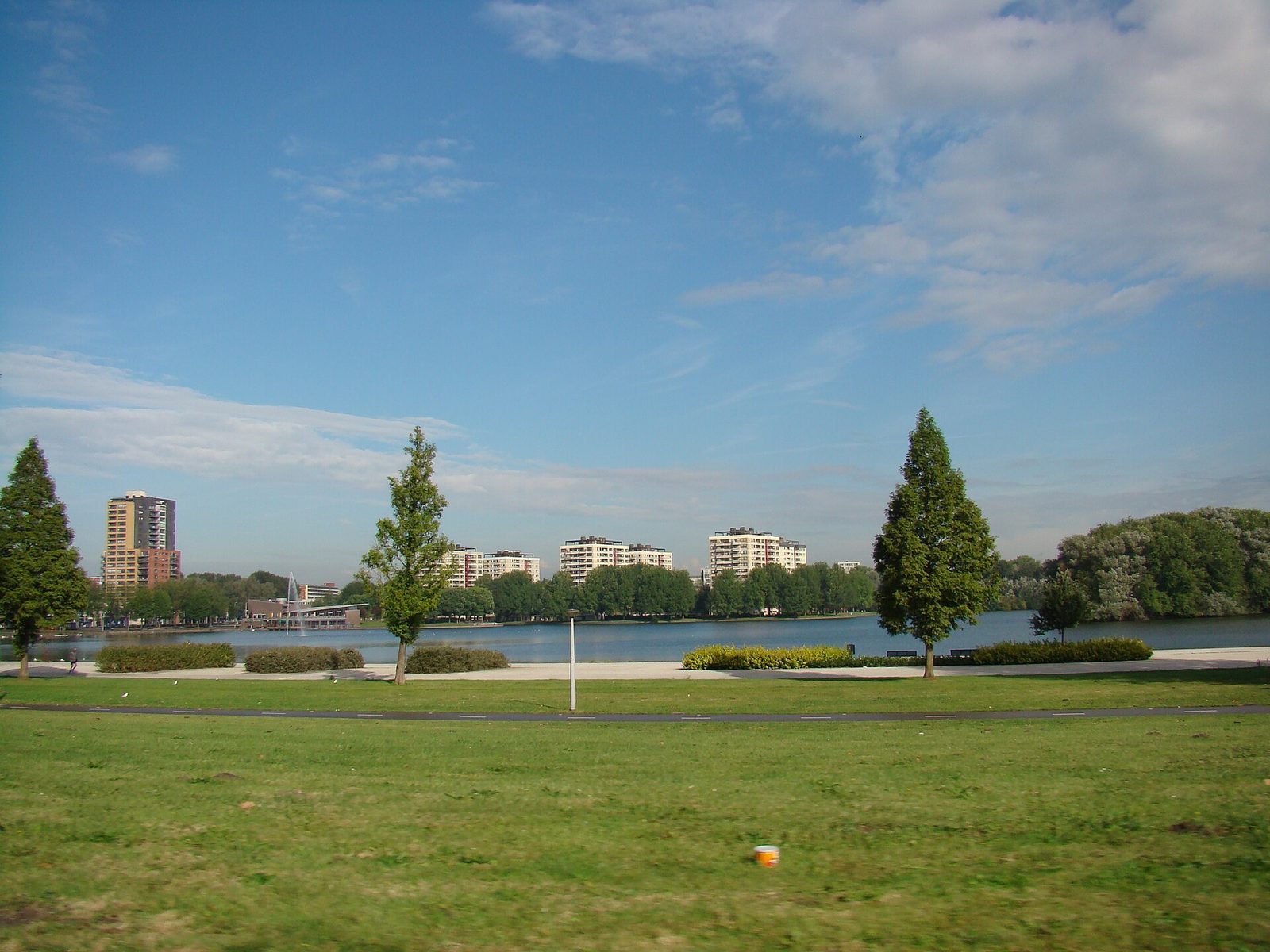
Swimming options in Amsterdam, from municipal pools to designated open-water locations, with an emphasis on seasonal status and live water-quality checks.
Life in Amsterdam
Day Trips from Amsterdam: Haarlem, Utrecht, Leiden and More
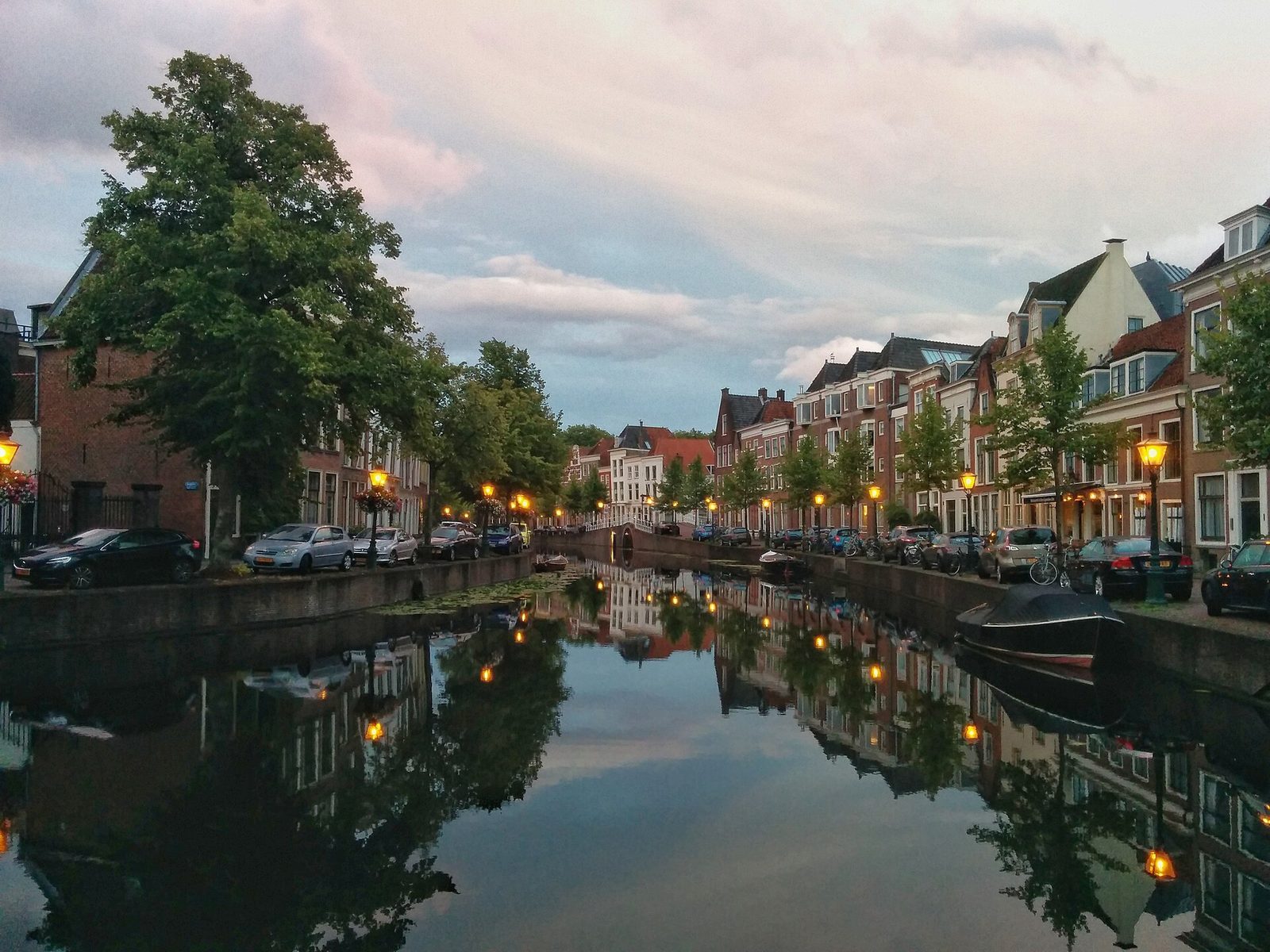
Five practical day-trip options from Amsterdam for historic streets, canals, museums, beach time or modern architecture, with live NS planning recommended on the travel day.